Skin barrier
Is Your Skin Barrier Stressed? How to Simplify Your Routine
Learn which changes can signal irritated or overly dry skin, what may be stressing your routine, and how to take a gentler approach.
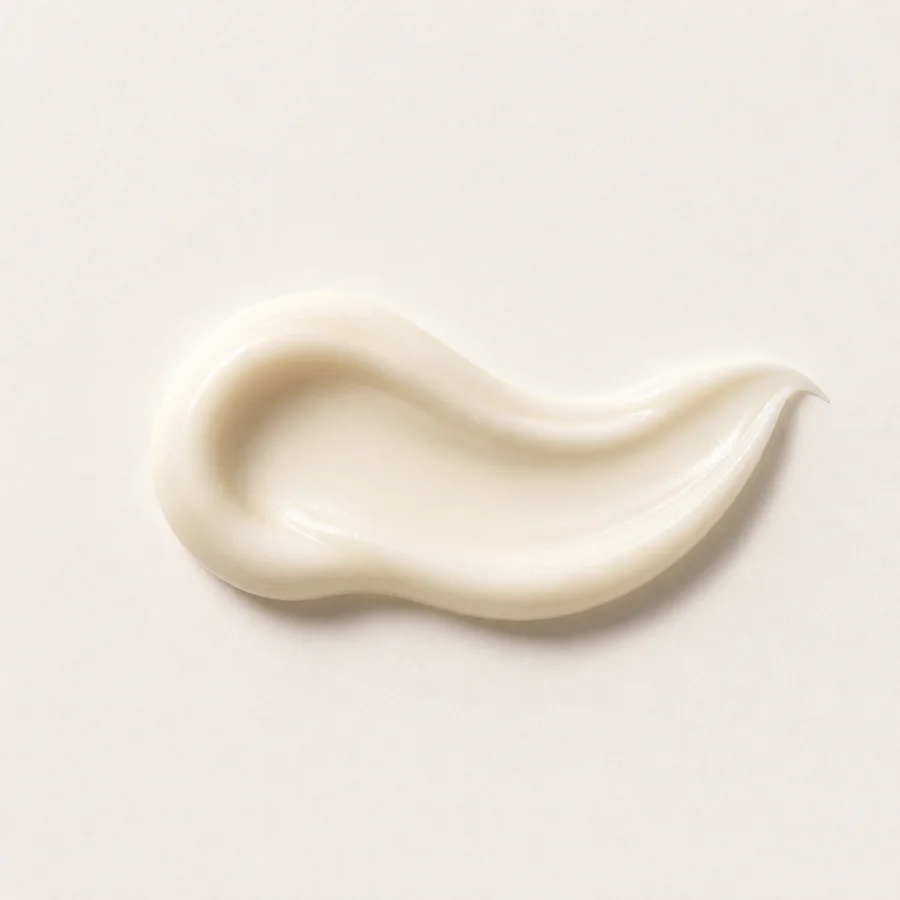
“Damaged skin barrier” has become a catch-all phrase online, but tightness, flaking, stinging, redness, and itching can have many causes. Treat those changes as signals to pay attention—not as a diagnosis you have to make on your own.
The starting point
When skin feels unusually dry or reactive, make the routine easier to understand: cleanse gently, moisturize, protect it from the sun, and pause the rush to add more.
01. What your skin barrier does
The outer layers of skin help hold on to water and protect the body from the outside environment. When skin becomes excessively dry or irritated, it may feel less comfortable and react differently to products that normally feel fine.
Moisturizer supports this protective role by helping reduce water loss. The American Academy of Dermatology (AAD) recommends applying moisturizer while skin is still damp and choosing a texture that suits how dry your skin feels.
Sources: AAD: How to pick the right moisturizer for your skin
02. Signs worth paying attention to
Dryness can show up as tightness, roughness, flaking, itching, cracking, or stinging. Redness and a new burning sensation after applying skincare also deserve attention. These signs are not specific enough to tell you the cause on their own.
A reaction may come from irritation, an allergy, excessive dryness, or a skin condition that needs a different approach. If symptoms are painful, severe, spreading, bleeding, or persistent—or even a bland moisturizer burns—ask a board-certified dermatologist for help.
Sources: AAD: Dermatologists’ top tips for relieving dry skin · AAD: How to test skin care products
03. How a routine can become too much
Over-exfoliation is a common place to look. The AAD warns that exfoliating while using retinol, prescription retinoids, or benzoyl peroxide may worsen dryness or irritation. Scrubs, brushes, and strong acids can also be too aggressive for some skin types.
Hot water, harsh cleansers, fragrance, and introducing several active products close together can make it difficult to identify what your skin dislikes. Even products labeled “natural” or “unscented” are not automatically gentle or fragrance-free.
Do not stop a prescribed treatment on your own. If a prescription is uncomfortable, contact the clinician who prescribed it so they can tell you what is expected and whether the plan should change.
Sources: AAD: How to safely exfoliate at home · AAD: Dermatologists’ top tips for relieving dry skin · AAD: How to test skin care products
04. Try a temporary, gentle reset
Start with a mild, fragrance-free cleanser and lukewarm water. Use your fingertips instead of scrubbing, rinse, and pat dry. Apply a fragrance-free moisturizer while skin is still slightly damp. During the day, finish with a water-resistant, broad-spectrum sunscreen with SPF 30 or higher.
Temporarily set aside newly introduced products and optional exfoliating steps that sting or appear to make the irritation worse. Keep the routine short enough that you can observe how your skin feels. A reset is not a treatment for eczema, rosacea, contact dermatitis, or another medical condition.
For dry skin, the AAD suggests creams or ointments rather than lotions and identifies ingredients such as ceramides, glycerin, hyaluronic acid, petrolatum, and dimethicone as options found in moisturizers. The best choice is one you can use comfortably and consistently.
Sources: AAD: Dermatologists’ top tips for relieving dry skin · AAD: How to pick the right moisturizer for your skin · AAD: How to apply sunscreen
05. Bring targeted serums back slowly
Once skin feels comfortable again, reintroduce one product at a time rather than restarting every active on the same day. This makes it easier to notice whether a particular formula changes how your skin feels.
Before wider use, the AAD recommends applying a new skincare product to a small test area twice daily for seven to ten days. Follow the product directions for frequency and amount; using more than directed does not make a formula work faster.
Return to a Day Serum beneath moisturizer and sunscreen, and a Night Serum beneath moisturizer. If stinging, burning, swelling, a rash, or persistent irritation returns, stop the product and seek professional guidance when needed.
Sources: AAD: How to test skin care products · AAD: How to maximize results from anti-aging skin care products
A comfort-first reset
- Morning
- Lukewarm rinse or gentle cleanse → fragrance-free moisturizer → sunscreen.
- Evening
- Gentle cleanse → fragrance-free moisturizer.
- Bringing serums back
- Reintroduce one product at a time, test it first, and follow its directions.
General skincare education for adults. For ongoing skin symptoms or a condition requiring treatment, ask a dermatologist for a routine suited to you.
A more thoughtful routine
Personalization includes knowing when less is more.
NUVÉE separates day and night care so each formula can have a clear purpose without turning your routine into a stack of competing steps.
Explore Personalized Day + Night